Solar Company in Multan: Beating the Heat and Your Bills in 2026
Few Pakistani cities feel the sun quite like Multan — and that is exactly why choosing the right solar company in Multan is one of the smartest financial moves a homeowner or business can make in 2026. The same relentless heat that drives up your air-conditioning bill also pours enormous solar energy onto your roof every day. Capture it well, and you flip a cost into an asset.
This guide takes a slightly different angle from the usual sales pitch. Instead of just listing prices, I want to explain how Multan’s extreme climate shapes system design, what “heat-derating” means for your output, and how to make sure your investment performs in real summer conditions.
Why Multan is a solar powerhouse
Multan sits in one of Pakistan’s highest-irradiance zones. The National Renewable Energy Laboratory maps regions like southern Punjab among the strongest solar resources globally, with abundant clear-sky days. That means a properly sized array here produces more annual energy per kilowatt installed than the same system in a cooler, cloudier city.
Combine that resource with punishing grid tariffs and long summer load-shedding, and the case for solar in Multan is compelling. A good solar company in Multan designs specifically for this environment rather than copying a generic northern-Punjab layout.
The heat paradox every buyer should understand
Here is the counter-intuitive part: solar panels produce more from light, not heat. In fact, extreme heat slightly reduces a panel’s efficiency — a phenomenon called temperature derating. Panels are rated at 25°C, but Multan rooftops routinely exceed 60°C in summer.
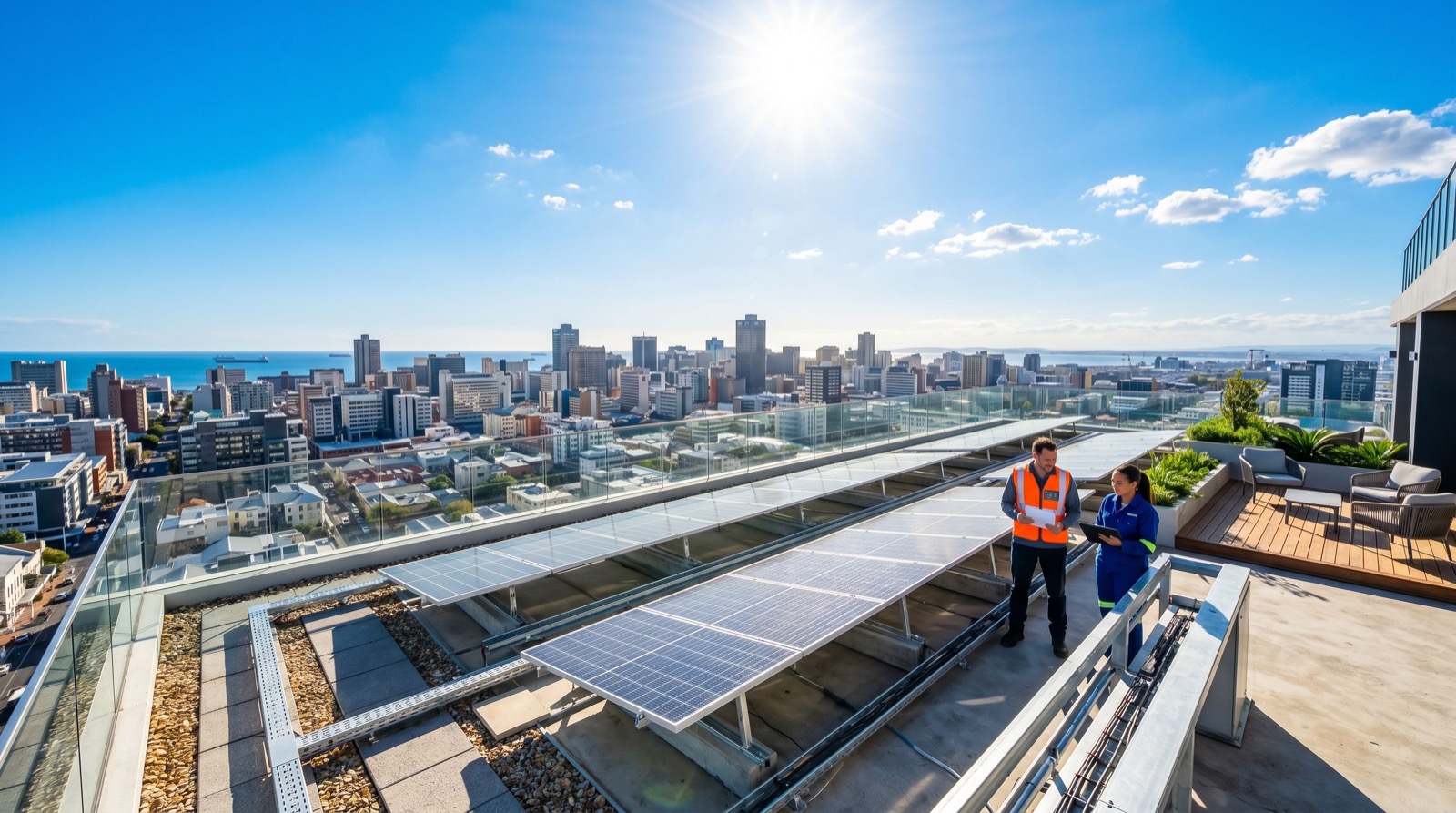
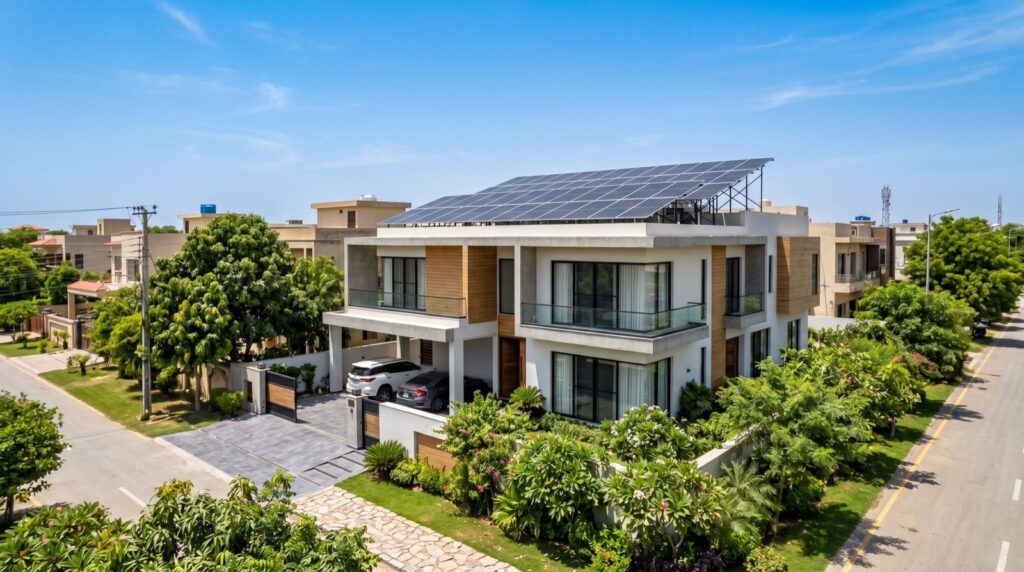
This is why panel selection and mounting height matter so much locally. A quality installer chooses panels with a low temperature coefficient and mounts them with an air gap so heat dissipates. Skip this, and you lose real output every afternoon.
How Multan’s climate changes your system design
- Low temperature-coefficient panels: N-type modules hold output better in extreme heat than older cell types.
- Raised mounting: an air gap under the panels cools them and protects the roof.
- Oversized cabling: higher currents in heat need thicker wire to avoid losses.
- Dust-resilient layout: Multan’s dust means easy-clean access and occasional washing keep output high.
- Robust inverter cooling: inverters must be shaded and ventilated to survive the summer.
Cost and savings snapshot for 2026
| System | Typical Use | Installed Cost (PKR) | Est. Monthly Saving |
|---|---|---|---|
| 3 kW on-grid | Small home | 550,000 – 750,000 | 18,000 – 25,000 |
| 5 kW hybrid | Family home, backup | 1,000,000 – 1,400,000 | 35,000 – 45,000 |
| 10 kW hybrid | Large home / shop | 2,000,000 – 2,700,000 | 70,000 – 90,000 |
Because Multan homes run air-conditioning hard, hybrid systems that cover both daytime cooling and evening backup usually deliver the best real-world value. The savings above assume a well-designed, heat-aware installation.
How do I choose a reliable installer in Multan?
Start by asking whether the company designs for Multan’s heat specifically. A quality provider explains panel temperature coefficients, shows you the mounting approach, and sizes cabling generously. They should also handle MEPCO net-metering from application to approval.
When comparing options, prioritise a solar company in Multan that provides a written production estimate and warranty documents rather than a vague verbal promise. The same rigorous standards apply across Punjab — a homeowner sourcing solar panels in Sialkot should demand the same transparency, even though the climate is milder there.
A simple 4-step vetting process
- Request a site visit and a load audit based on your last 12 bills.
- Compare itemised quotes from at least two companies, matching panel and inverter models.
- Verify warranties and references from installations completed in 2025–2026.
- Confirm net-metering experience with MEPCO before signing anything.
For readers who value doing their homework before hiring anyone, guidance from quality service providers makes the same point across industries: the cheapest quote rarely beats the best-designed, best-supported one.
Maintenance in a dusty, hot city
Multan’s dust is your main enemy after installation. A film of dust can cut output by 5–15% if left for weeks. The fix is simple: rinse the panels every few weeks during dusty spells and after dust storms. Most systems also come with a monitoring app so you can spot a sudden output drop and act.
Net-metering and payback in southern Punjab
Net-metering is what turns a Multan rooftop from a bill-reducer into a genuine income-style asset. Your panels generate more than you use during the bright midday hours, and MEPCO’s bi-directional meter credits that surplus against the units you draw in the evening. Over a year, those credits meaningfully compress the payback period.
For a well-designed 5 kW hybrid system, most Multan households reach break-even in three to five years. After that milestone, you effectively run your home and air-conditioning on free power for the remaining two decades of the panels’ warrantied life. That is the real reason solar has moved from a luxury to a mainstream financial decision in 2026.
How to protect your payback
- Right-size the array: oversizing wastes capital, undersizing leaves savings on the table.
- Keep panels clean: dust is the quiet thief of output in Multan.
- Monitor daily: catch faults early through the app rather than months later.
- File net-metering promptly: every month without it is a month of lost export credits.
Financing options have also matured. Several banks now offer solar loans, and the monthly instalment often lands close to what you were already paying the grid — meaning you can go solar with little change to your cash flow while building an owned asset.
Frequently Asked Questions
Does extreme heat damage solar panels in Multan?
Heat does not damage quality panels, but it slightly lowers their efficiency. Choosing low temperature-coefficient panels and raised mounting minimises this loss, so a heat-aware design still produces excellent output.
How much can a Multan household save with solar in 2026?
A typical 5 kW hybrid system saves around PKR 35,000–45,000 monthly, giving a payback period of roughly three to five years, after which the power is essentially free.
Do I still need the grid connection?
For on-grid and hybrid systems, yes — the grid connection enables net-metering, letting you export surplus units and draw power when solar is unavailable.
How often should panels be cleaned in Multan?
Because of dust, rinse them every two to four weeks in dry, dusty periods and promptly after dust storms to keep output at its peak.
Conclusion: turn Multan’s sun into savings
Choosing the right solar company in Multan in 2026 means partnering with a team that understands heat derating, dust management, and MEPCO net-metering — not just one that quotes the lowest price. Get a heat-aware design with Tier-1 gear, and Multan’s fierce sun becomes your cheapest source of power for decades. Ready to beat the heat and your electricity bill? Book a free site survey and a custom quote today.